
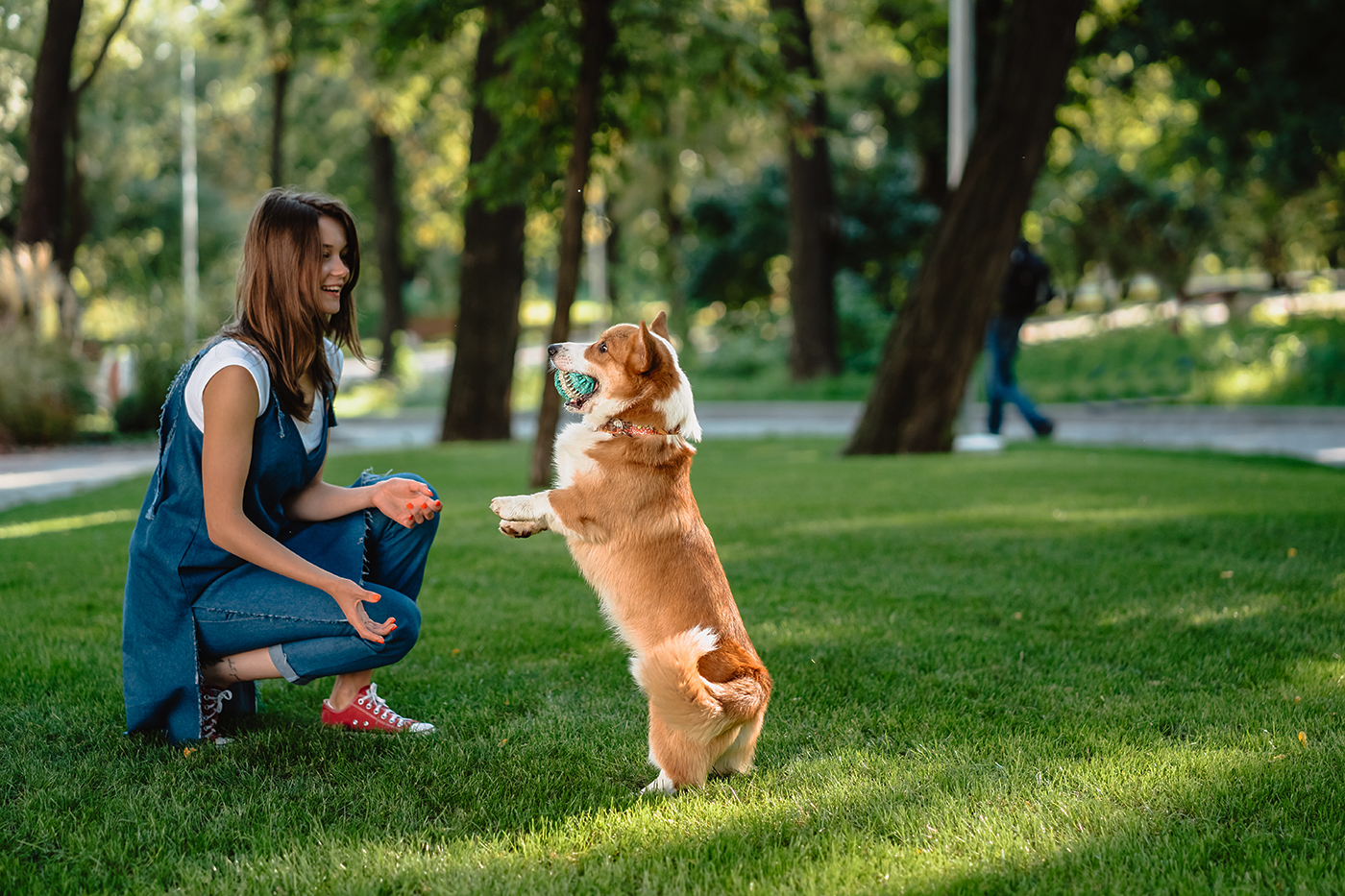
training collars can be part of a structured routine, but they work best when they support clear communication, patient practice, and a dog’s comfort. No piece of equipment replaces supervision or reward-based learning. Before introducing any new collar, consider your dog’s age, size, temperament, health needs, and the specific behavior you hope to teach.
Start With the Training Goal
Define one simple goal for each session. You might practice checking in during a walk, coming when called in a secure area, or settling calmly before visitors arrive. Keep the cue brief and consistent, then reward the desired response immediately with praise, play, or a treat that matters to your dog. Small, repeatable successes are easier to understand than long sessions packed with several new demands.
Choose a quiet setting at first. As your dog responds reliably, add distance or distractions gradually. This approach gives you useful information about what the dog understands without creating unnecessary stress. If progress stalls, make the task easier, shorten the session, or return to a familiar skill before trying again.
Prioritize Fit and Comfort
A collar should fit securely without restricting normal breathing, swallowing, or movement. Check it routinely, especially for growing dogs or dogs with changing coats. You should be able to slide fingers comfortably beneath the collar, while still preventing it from slipping over the head. Remove equipment when it is not needed for supervised training, and inspect the neck for rubbing, hair loss, or irritation.
Different collar designs serve different purposes, so read all instructions carefully and use only the intended function. Avoid leaving any training device on for extended periods. If your dog shows fear, freezing, avoidance, persistent scratching, or discomfort, stop the session and reassess the setup. A qualified trainer or veterinarian can help address safety questions and behavior concerns.
Build Skills Beyond the Collar
Reliable behavior comes from repetition in everyday life. Practice cues before meals, during calm walks, and around manageable distractions. Reward good choices even when no equipment is being used, so your dog learns that listening and checking in are worthwhile. Family members should use the same words and expectations whenever possible.
Thoughtful use of training collars means keeping sessions short, observant, and humane. Focus on the behavior you want, notice your dog’s signals, and finish on a successful repetition. Over time, consistency and trust create the foundation for safer, more enjoyable outings together.